The Cuban Missile Crisis: How the World Stepped Back From Nuclear War
The Cuban Missile Crisis ended not through toughness alone, but because a blockade bought time and secret concessions gave both sides a way to step back.
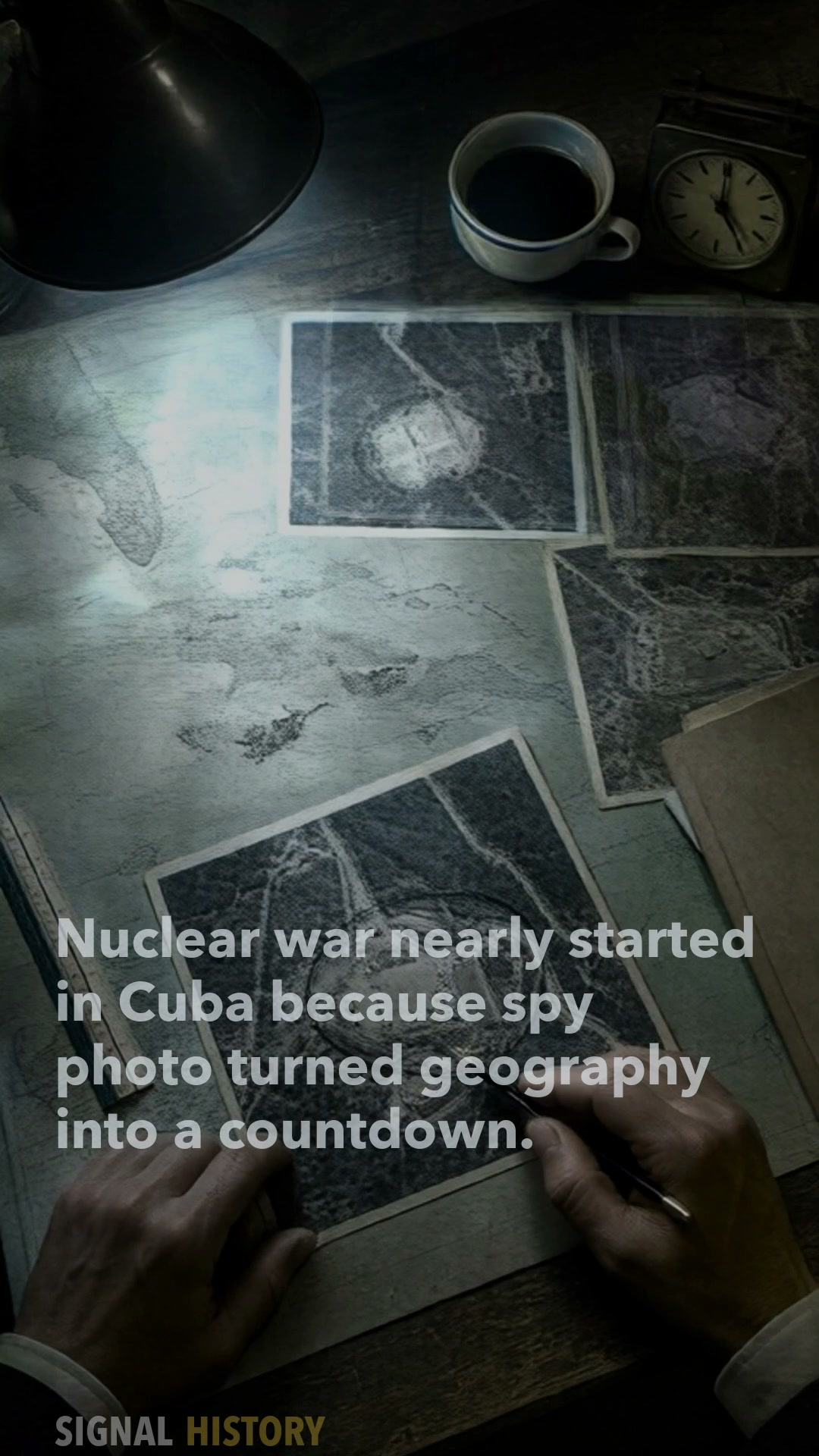
Nuclear war nearly started in Cuba because spy photo turned geography into a countdown. In October 1962, Soviet missile sites appeared ninety miles from Florida, close enough to hit U.S. Cities in minutes.
The obvious move was an airstrike. Kennedy chose a blockade instead, called a quarantine. Because it slowed the crisis without forcing Moscow to answer immediately with its own public escalation.
That delay mattered, because control was cracking. Ships, submarines, letters and rumors moved faster than certainty. While backchannel messages searched for an exit before a mistake became irreversible in the dark.
The ending was two deals, not one. Soviet missiles left Cuba in public. American missiles left Turkey quietly. The lesson was brutal: survival came from buying time, then saving face.
Key facts
- The Cuban Missile Crisis was not solved by public toughness alone.
- It ended because a blockade bought time.
- Backchannel diplomacy created a face-saving exit.
- Secret concessions helped both sides retreat from a confrontation that kept slipping toward accidental war.
- Major evergreen demand with TED-Ed at 6.1M.
Why it matters
Simple History at 2.75M. Newer informal framing above 4.1M.
The Signal Brief
One sourced idea worth your attention, in your inbox. No noise.