Why Orcas Make Waves Before They Hunt
Antarctic pack ice killer whales cooperatively generate waves to move, tilt, and break seal-bearing ice floes.
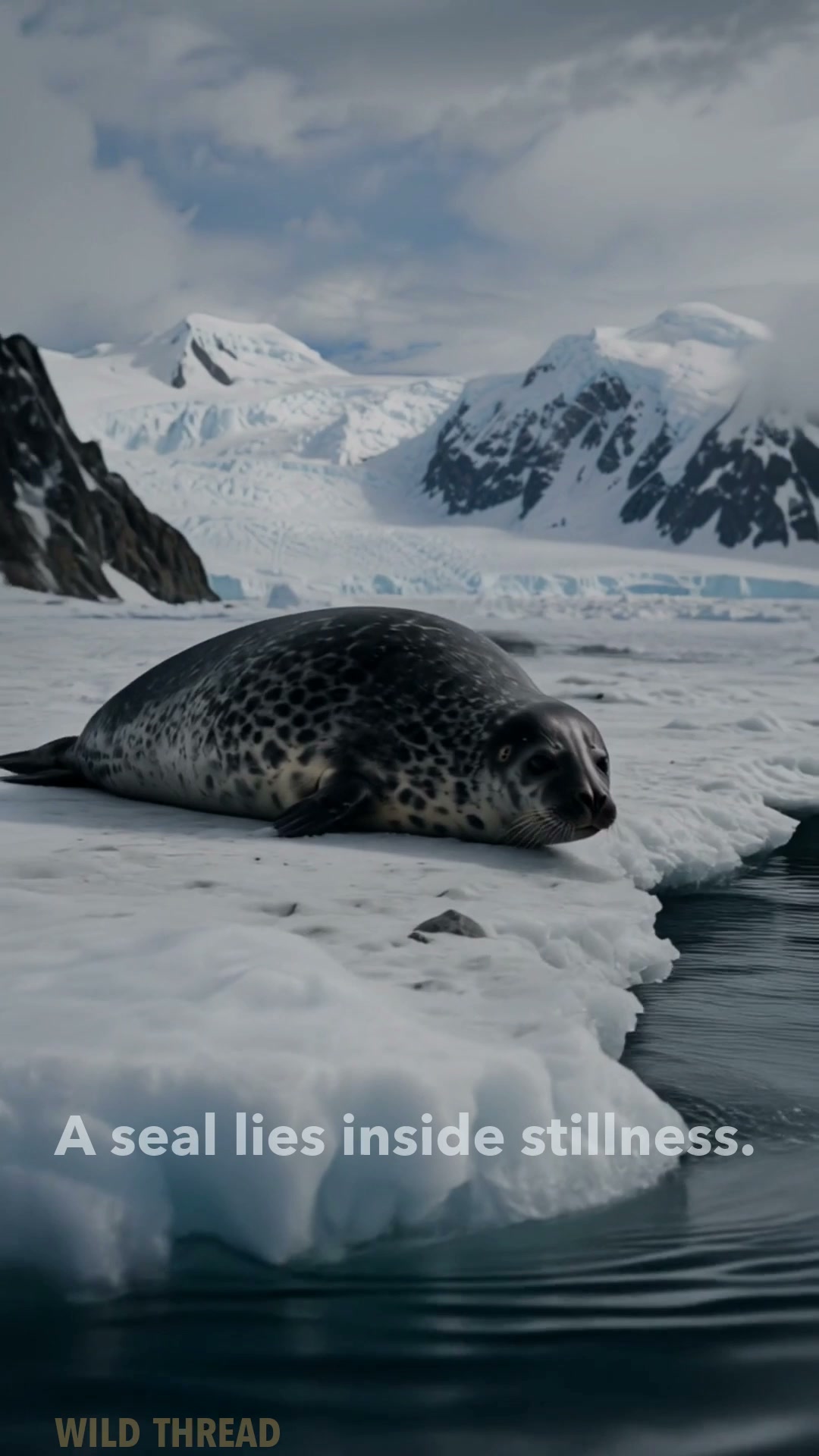
In Antarctic pack ice, the hunt sometimes begins with almost no movement at all. For the seal, the floe is not just ice.
It is a temporary island. For the orcas, the question is not how to reach the seal.
It is how to move the island. The pod gathers side by side, turning separate bodies into one moving front.
They do not strike the ice. They push water, and the water does the work.
When the wave arrives, the seal feels the platform tilt under its whole body. One wave may fail.
The pod can reset, turn, and send another. Researchers watched waves come again and again, not as chaos, but as a repeated method.
Sometimes the wave washes the seal away. Sometimes it breaks the floe into a worse refuge.
The precision matters: angle, timing, distance, and the shape of the ice all change the wave. In orca lives, hunting is not only instinct.
It is culture carried through a pod. The seal is not foolish, and the orcas are not cruel.
Both are solving the same ocean. The strange brilliance is that the weapon is not teeth.
It is cooperation plus physics. For a few seconds, the frozen surface stops being shelter and becomes a lever.
The hidden thread is this: intelligence can turn the environment itself into a partner.
The Signal Brief
One sourced idea worth your attention, in your inbox. No noise.